


Causes of Tracking in High-Voltage Motors
High-voltage motors are prone to tracking due to a combination of high voltage, material properties, structural defects, and environmental factors. Below are the specific causes:
1. Excessive Electric Field Strength
High Voltage : For a 10kV motor, if the insulation gap is 1mm, the electric field strength can reach 10MV/m, far exceeding the air breakdown field strength (approximately 3kV/mm). This makes regions with concentrated electric fields, such as winding ends and lead connection points, susceptible to partial discharges, which can develop into surface flashovers.
2. Limitations of Insulation Material Performance
Material Aging : Factors like high temperatures, UV radiation, and chemical corrosion can degrade insulation materials (such as epoxy resin and mica), leading to reduced mechanical strength, altered dielectric constants, and weakened arc resistance.
Manufacturing Defects : The presence of bubbles, impurities, or uneven insulation thickness during manufacturing can create weak points that serve as paths for tracking.
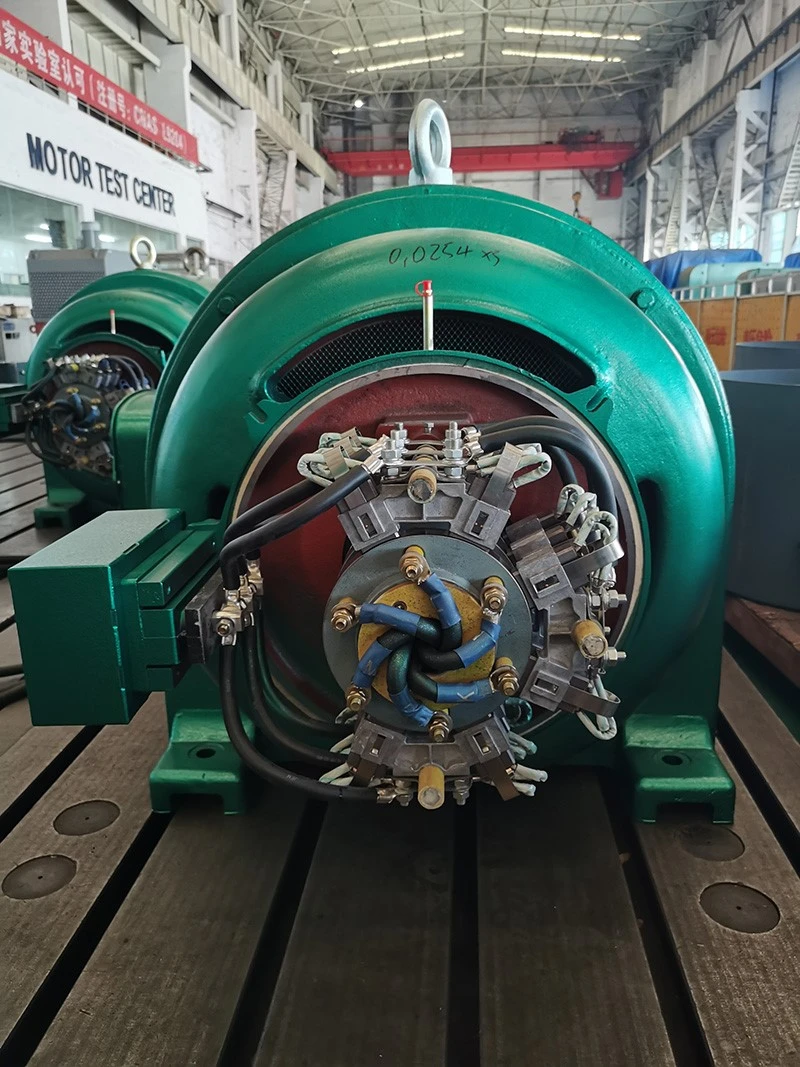
3. Structural Design Issues
Insufficient Insulation Distance : Some designs reduce safety margins to cut costs, bringing actual insulation distances close to critical values.
Uneven Electric Field Distribution : Sharp corners on conductors or unreasonable winding arrangements can cause localized increases in electric field strength (sharp edge effect), significantly increasing the risk of tracking.
4. Environmental Factors
Humidity and Contamination : In environments with high humidity (>80% relative humidity), insulation resistance decreases, and moisture films can conduct electricity, lowering the threshold for surface discharge. Industrial dust and oil contamination can form conductive paths, shortening the tracking distance (e.g., pollution flashover).
Temperature Fluctuations : Frequent start-stop cycles can cause thermal expansion and contraction, leading to cracks in the insulation layer and exposing conductors.
5. Improper Operation and Maintenance
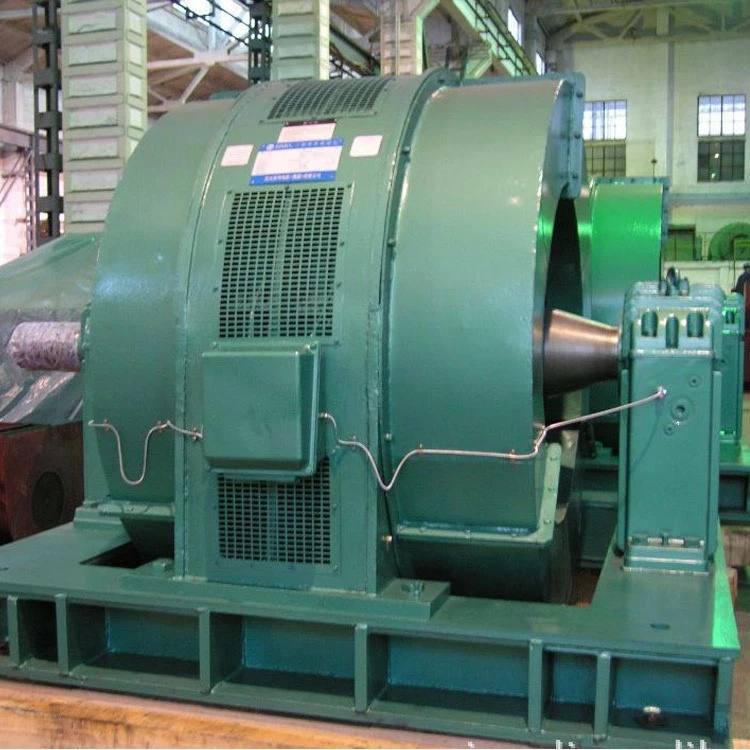
Overloading : Long-term overloading can increase internal motor temperatures (e.g., >120°C), accelerating thermal aging of insulation materials.
Lack of Maintenance : Failure to regularly clean insulation surfaces or inspect for partial discharge (PD) can make it difficult to detect potential issues.
Solutions and Preventive Measures
1. Optimize Insulation Design
Use High-Voltage Rated Materials : Employ materials like Class F insulation (withstand temperature up to 155°C) to enhance the electrical strength of insulation.
Increase Insulation Thickness or Improve Structure : For example, use concentric cylindrical windings to reduce electric field distortion and improve insulation performance.
2. Environmental Control
Install Dehumidification Devices : Maintain environmental humidity below 60% to minimize tracking risks associated with high humidity.
Regularly Clean Motor Surfaces : Prevent dust accumulation to reduce the formation of conductive paths.
3. Process Improvement
Ensure Tight Wrapping at Winding Ends : Use semiconductor shielding layers to lower electric field gradients and reduce field concentration.
Regularly Test Insulation Resistance and Partial Discharge : Utilize megohmmeters and UHF sensors for inspections to promptly identify potential issues.
4. Operational Management
Prevent Overloading : Monitor temperature rise using infrared thermography to ensure the motor operates within safe temperature limits.
Conduct Regular Preventive Tests : Perform tests such as withstand voltage and tanδ testing every six months to ensure good insulation performance.
In summary, tracking in high-voltage motors results from multiple factors working together. By optimizing insulation design, controlling environmental conditions, improving manufacturing processes, and strictly managing operations, such faults can be effectively suppressed. If signs of tracking are detected (such as hearing discharge sounds or smelling ozone), immediate shutdown and inspection should be carried out to prevent further deterioration of the fault.