Introduction
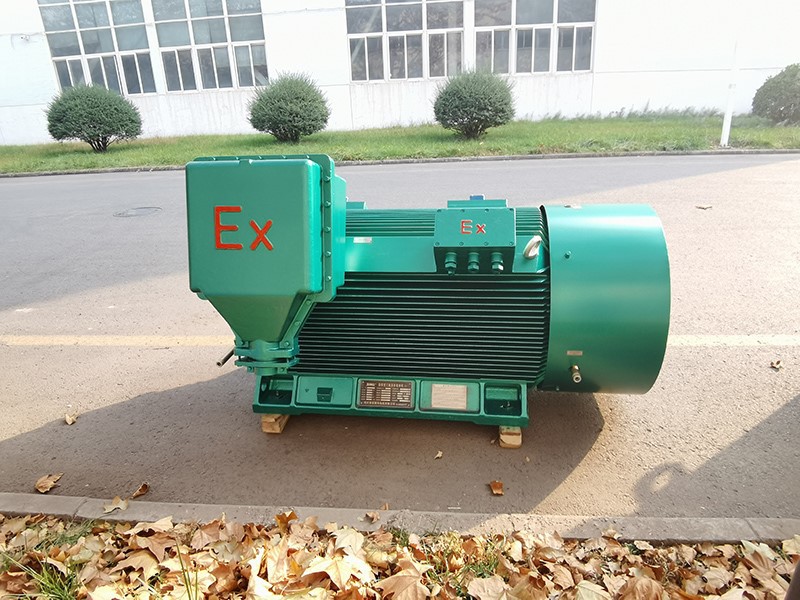
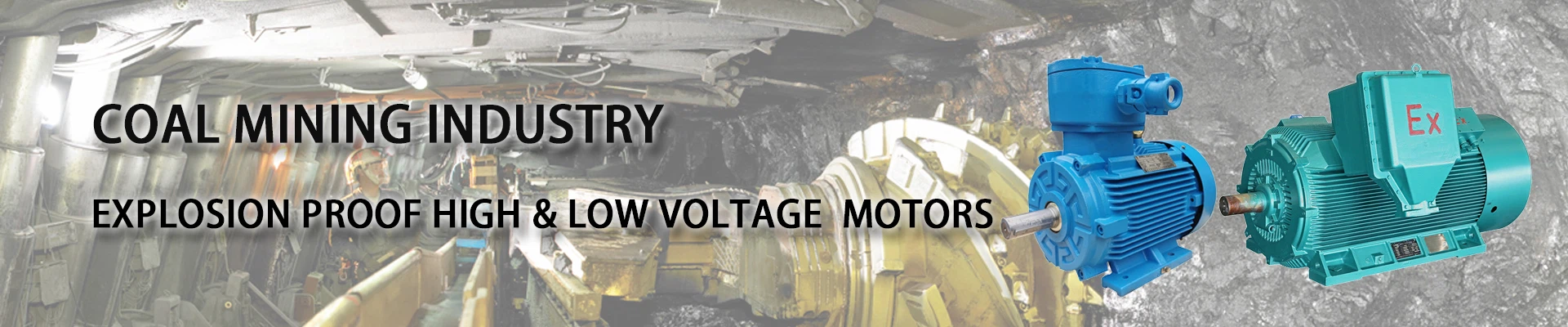
After years of research and experience, SIMO Motors has found that in harsh industrial environments such as mining, chemical processing, and metallurgy, the reliability and durability of power equipment are critical. SIMO three-phase induction motors, with their structural design, protective capabilities, operational stability, and ease of maintenance, have become the preferred power equipment in challenging conditions. This paper provides a detailed analysis of their key technological advantages in adapting to harsh environments.
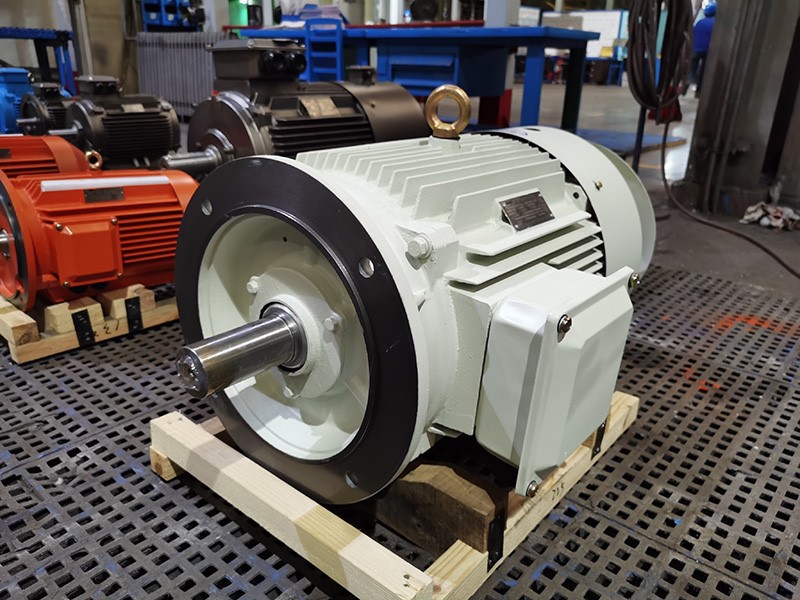
SIMO three-phase induction motors employ a brushless and commutator-free design, offering higher reliability compared to DC and synchronous motors:
No mechanical contact-type commutation device – Eliminates issues such as brush wear and spark discharge, making them suitable for dusty, humid, and corrosive environments.
Squirrel-cage rotor (cast aluminum construction) – Resistant to impact and vibration, with a failure rate more than 60% lower than motors with complex winding structures.
Enclosed housing – Effectively prevents dust ingress, making them ideal for harsh working conditions such as mining and construction material production.
Typical Applications: Underground mining, metallurgical crushers, high-dust production lines, etc.
2. Multi-Layer Protection System: Adapting to Diverse Harsh Conditions
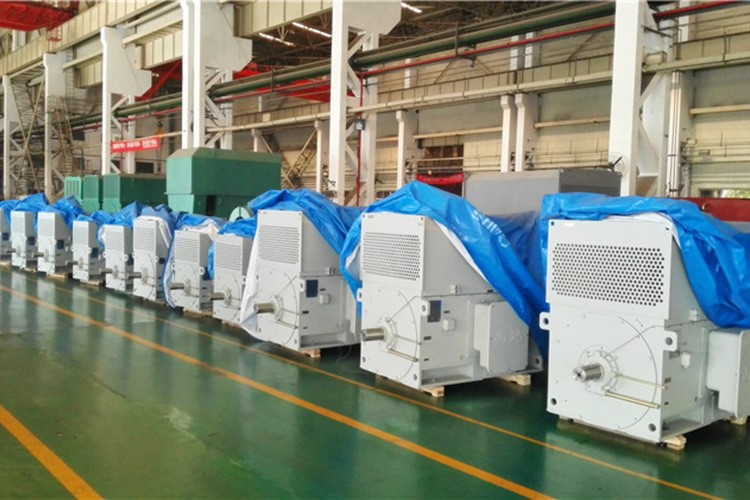
SIMO three-phase induction motors adopt industrial-grade modular protection designs optimized for different environments:
|
Adverse Environment |
Protection Measures |
Protection Grade (Typical) |
|
Humid Environment (Paper mills, Sewage treatment) |
Waterproof seals, Moisture-proof winding insulation |
IP55/IP56 |
|
Corrosive Environment (Chemical workshops, Offshore platforms) |
Stainless steel housing, Anti-corrosion coating |
IP56/WF1 (Corrosion-resistant type) |
|
High Temperature Environment (Steel mills, Boiler equipment) |
High temperature resistant insulation material, Efficient heat dissipation design |
Class F/Class H insulation (Up to 180°C) |
|
High Dust Environment (Mines, Cement plants) |
Fully enclosed dust-proof structure |
IP65/IP66 |
Scope of Application : Adaptable to over 90% of harsh industrial environments.
In harsh environments, power grid fluctuations and sudden load changes are common. SIMO three-phase asynchronous motors offer the following advantages:
High Starting Torque : Can start stably within a voltage fluctuation range of ±10%.
Stable Speed : Insensitive to power grid harmonics and electromagnetic interference, suitable for industrial environments with electromagnetic pollution.
Strong Overload Capacity : Can withstand 1.5–2 times the rated load impact for short durations, making it ideal for heavy-duty applications (e.g., crushers, compressors).
Typical Applications : Mine hoists, chemical pumps, metallurgical rolling mills, etc.
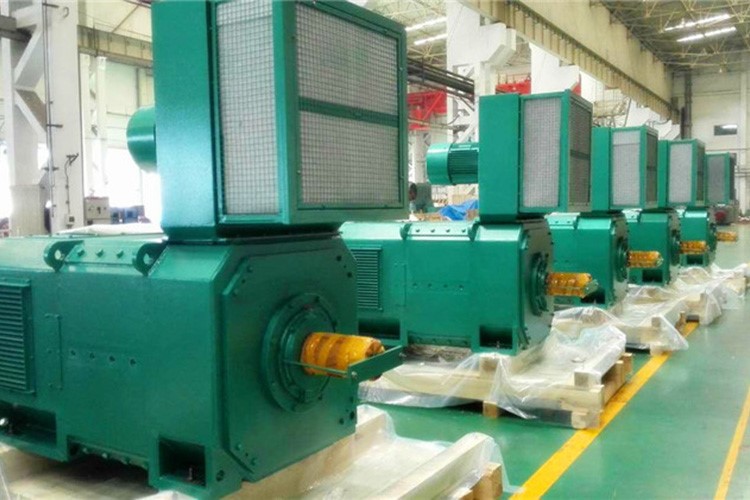
4. Low Maintenance Costs: Reduced Operational Pressure in Harsh Environments
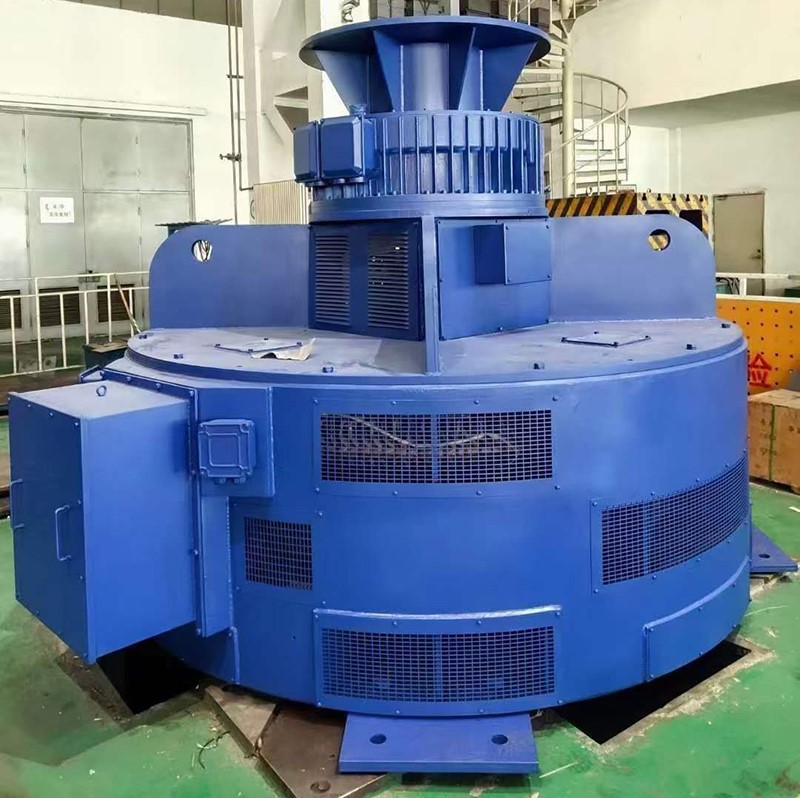
Compared to DC motors, SIMO three-phase asynchronous motors are easier to maintain:
No Wear-Prone Components : No brushes or commutators; only bearings and insulation require attention.
Long Service Life Design : Bearings feature grease-sealed lubrication, with a lifespan of up to 10+ years under normal conditions.
Simple Maintenance : Only requires regular housing cleaning and bearing lubrication checks, reducing workload by 70%.
Standardized Spare Parts : High standardization of components makes procurement and replacement easier, minimizing downtime.
Typical Applications : Remote mines, offshore platforms, and other maintenance-challenging locations.
SIMO three-phase asynchronous motors excel in harsh environments due to:
Simplified Structure → Fewer failure points, reducing environmental damage risks.
Multi-Layer Protection → Optimized for dust, humidity, high temperatures, and corrosion.
Stable Operation → Adapts to voltage fluctuations, load surges, and other harsh conditions.
Easy Maintenance → Reduces operational difficulty and costs in demanding environments.
Applicable Fields : Mining, chemical, metallurgy, marine engineering, building materials, and other high-demand industrial environments.
Future Improvements : Enhancing high-temperature and corrosion resistance, adding smart monitoring features for more extreme conditions.