

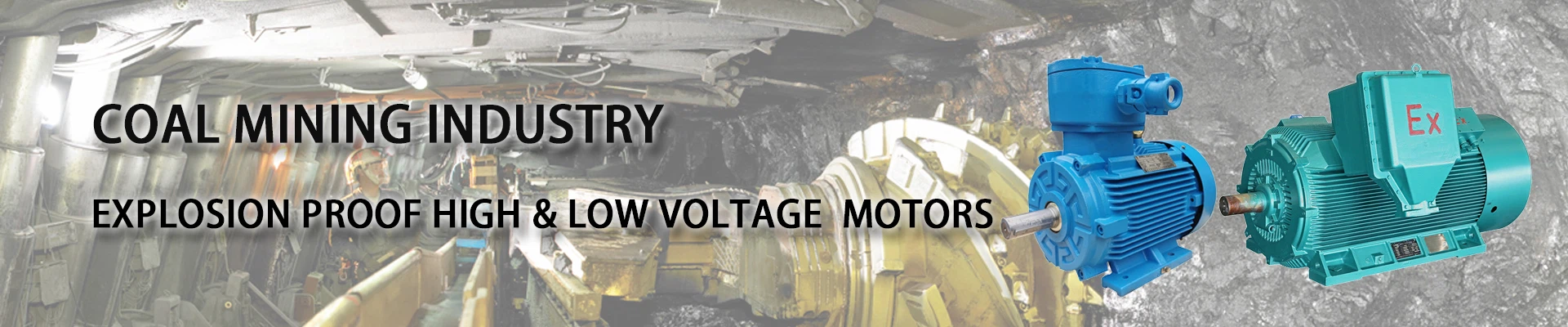
An asynchronous motor is an AC motor that realizes energy conversion based on the interaction between the air gap rotating magnetic field and the rotor winding induced current to generate electromagnetic torque. Asynchronous motors are generally series products with a wide variety of specifications. They are the most widely used among all motors and have the largest demand. Currently, about 90% of machinery in electric transmission uses AC asynchronous motors. Therefore, its electricity consumption accounts for about more than half of the total electrical load.
Asynchronous motors have the advantages of simple structure, convenient manufacturing, use and maintenance, reliable operation, small mass and low cost. In addition, asynchronous motors have high operating efficiency and good working characteristics. They can operate at close to constant speed from no-load to full load, and can meet the transmission requirements of most industrial and agricultural production machinery. Asynchronous motors are mainly widely used in driving machine tools, water pumps, blowers, compressors, hoisting and hoisting equipment, mining machinery, light industrial machinery, agricultural and sideline product processing machinery and most other industrial and agricultural production machinery, as well as household appliances and medical equipment.
The more common asynchronous motors are single-phase asynchronous motors and three-phase asynchronous motors, of which the three-phase asynchronous motor is the main body of the asynchronous motor. Single-phase asynchronous motors are generally used in places where three-phase power supply is inconvenient. Most of them are micro and small-capacity motors. They are widely used in household appliances, such as fans, refrigerators, air conditioners, vacuum cleaners, etc.