

CHINA SIMO MOTOR discovers during production as well as after-sales processes: Compared with the wound rotor motor, the safety performance of the cast aluminum rotor motor is better, and the theoretical electrical failure rate is half of that of the wound rotor motor. However, some motors with special working conditions and specific purposes are particularly sensitive to some manufacturing process defects, and the probability of electrical failure due to overheating of the cast aluminum rotor and fusing of the cage is also very high.
01 Problems in the casting process
Whether it is high-pressure aluminum casting, low-pressure aluminum casting, or centrifugal aluminum casting process, there are some inherent defects, such as the quality monitoring of the casting process is relatively difficult, the process parameters are difficult to quantify, and the operator tends to rely on experience to set the parameters; Manufacturing defects such as porosity and trachoma are very hidden, most of them occur inside, and can not be found in the preliminary inspection test, and only in the actual operation of the motor, the impact of the defects is exposed. Especially in some applications with a large range of load fluctuations and high speeds, there are often problems such as aluminum throwing, softening and distortion of the rotor wind blades due to overheating, and blued rotor overheating.
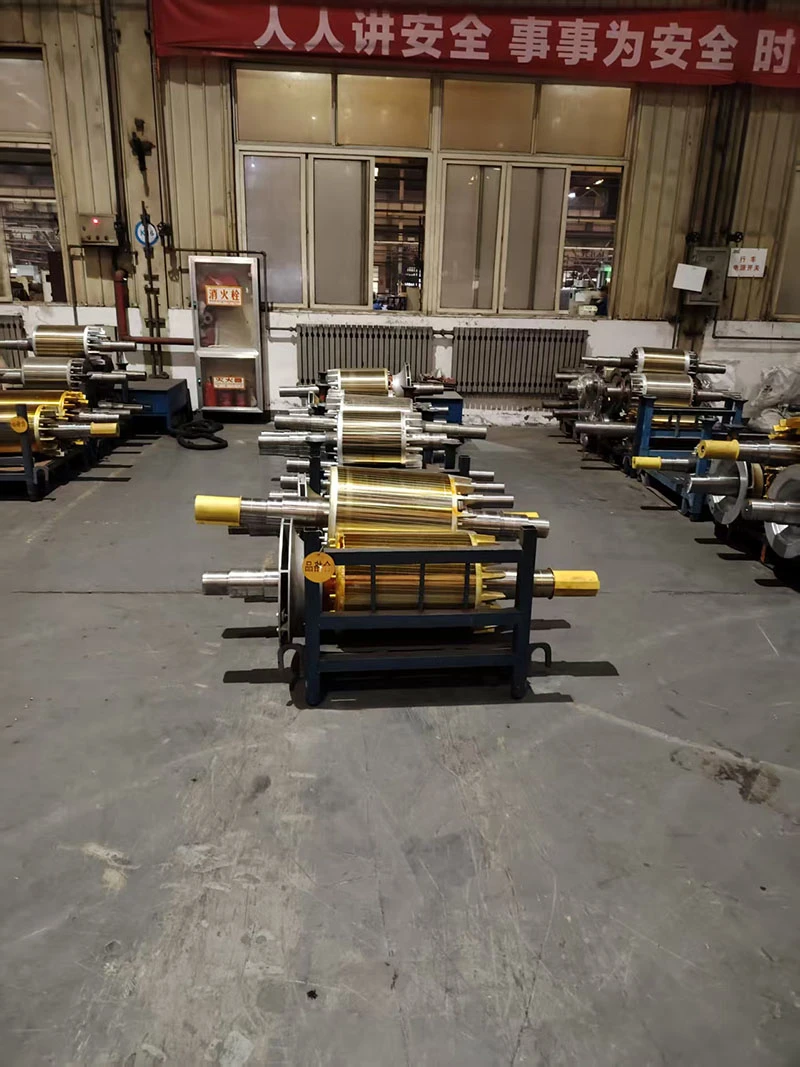
During the operation of the motor, the heat of the rotor itself and the heat radiation of the stator part may cause the rotor to overheat and turn blue locally or as a whole. When the rotor is all blue, the temperature rise of the motor is generally very high, when the rotor is overheated, it is more caused by the casting quality of the rotor itself, such as the more typical problems such as thin bars and broken bars, and in serious cases, there will be a phenomenon of flowing aluminum because of overheating, that is, the rotor guide strip part flows out of the notch due to high temperature melting, and is accompanied by the quality failure of the sweep.
02 Deformation of the rotor end
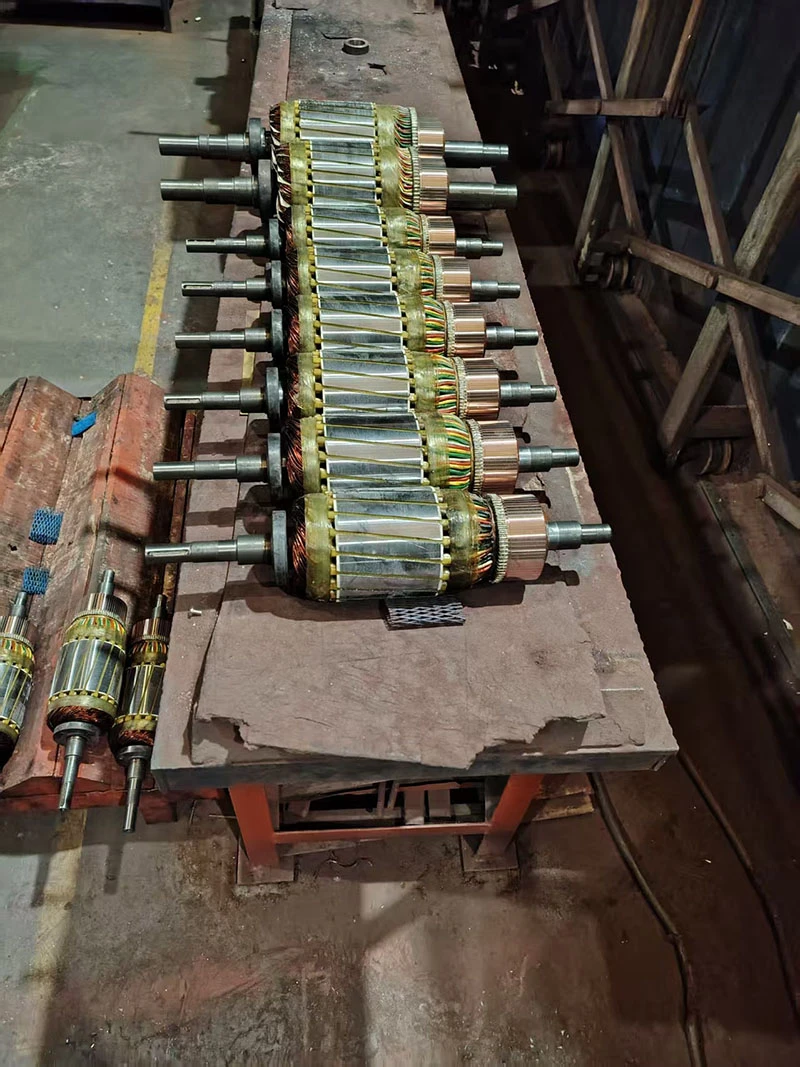
For most of the cast aluminum rotor, due to many factors such as aluminum casting process, ventilation and heat dissipation and later balance, the rotor aluminum end ring part has a balance column and wind blades, when the motor rotor temperature is high, the aluminum in the rotor will undergo different degrees of fluidization deformation, especially the rotor end, unlike the guide bar is restricted by the rotor groove, it is very likely to occur serious twisting and deformation in the state of high speed, and its final state is similar to the splintering failure of the wound rotor, and all the fan blades are thrown out and rubbed against the stator winding, resulting in the instant burning of the whole motor